

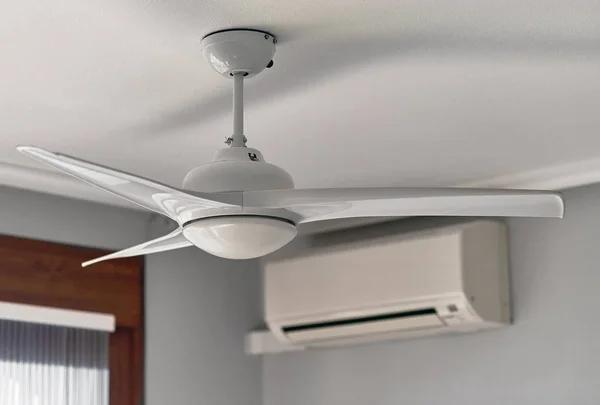
Choosing the best air conditioners for energy-efficient cooling involves understanding key features that contribute to lower electricity consumption while maintaining optimal comfort. Energy efficiency in air conditioning units is primarily measured by the Seasonal Energy Efficiency Ratio (SEER) and Energy Efficiency Ratio (EER). Higher SEER and EER ratings indicate better performance with less energy use. Modern air conditioners incorporate advanced technologies such as inverter compressors, smart thermostats, and eco-friendly refrigerants to enhance efficiency. Inverter technology allows the compressor to adjust its speed based on cooling demand rather than running at full power constantly, which reduces energy waste and maintains a more consistent room temperature.
When selecting an energy-efficient air conditioner, it is important to consider the size of the unit relative to the space being cooled. An oversized unit will cycle on and off frequently, leading to inefficiency and increased wear, while an undersized model may run continuously without adequately cooling the area. Proper sizing ensures balanced operation that minimizes energy consumption. Additionally, models with programmable or smart thermostats enable users to set specific temperatures according to their schedules, preventing unnecessary cooling when rooms are unoccupied.
Another factor influencing efficiency is the type of refrigerant used in the system. Newer models often utilize uncover details R-32 or R-410A refrigerants instead of older types like R-22 because they have lower global warming potential and improve overall system efficiency. These environmentally friendly options also comply with stricter regulations aimed at reducing carbon footprints from HVAC systems.
Among various types of air conditioners, ductless mini-split systems have gained popularity for their high efficiency levels due to direct room-by-room control without losses associated with ductwork. Central AC units remain common for whole-house cooling but should be paired with well-maintained ducts insulated adequately to prevent leaks that compromise performance. Window units offer a cost-effective solution for smaller spaces but typically provide lower SEER ratings compared to split systems.
Energy Star certification serves as a reliable indicator when choosing an efficient model since products bearing this label meet strict government standards for energy savings without sacrificing functionality or comfort. Investing in regular maintenance such as cleaning filters, checking refrigerant levels, and inspecting components further enhances longevity and operational efficiency over time.
In summary, selecting an air conditioner focused on energy-efficient cooling requires attention to technical specifications like SEER ratings, inverter technology presence, proper sizing relative to space needs, choice of refrigerant type, and adherence to recognized certifications such as Energy Star. Incorporating these considerations helps reduce electricity bills while contributing positively toward environmental sustainability through decreased greenhouse gas emissions during operation.