

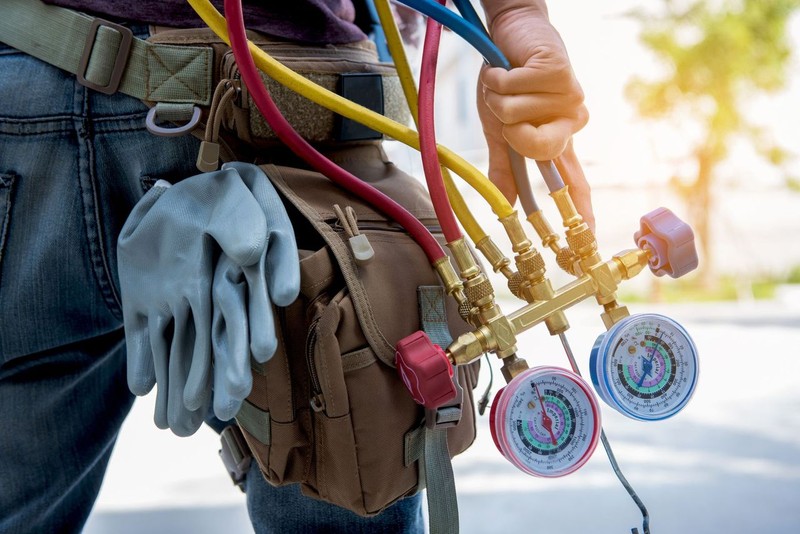
Ensuring safe electrical installations is crucial for protecting both property and lives. Whether you are undertaking a new project or upgrading an existing system, following sound advice from professional electricians can prevent accidents and costly repairs. The first step in any electrical work is to plan thoroughly, taking into account the specific requirements of the space and the devices that will be connected. Proper planning helps determine the correct type and capacity of circuits, wiring, outlets, and protective devices needed for safe operation.
Always use materials that meet recognized safety standards. Wiring should comply with local electrical codes, which specify acceptable types of cables and their installation methods. Using substandard or inappropriate materials increases the risk of short circuits, fires, or electric shocks. It’s important to select wires with adequate gauge size to handle expected current loads without overheating. Overloaded wires can deteriorate insulation over time leading to dangerous faults.
Electrician
Installation must be carried out by qualified individuals who understand how to interpret wiring diagrams and apply code requirements accurately. Professional electricians have training in identifying potential hazards during installation such as improper grounding or incorrect connections that could compromise safety. Grounding systems are essential because they provide a path for stray electricity get more information to flow safely into the earth rather than causing injury or equipment damage.
Circuit breakers or fuses serve as critical safety components by interrupting power when faults occur; therefore installing correctly rated protection devices prevents excessive current from damaging wiring or appliances. Installing residual current devices (RCDs) adds an extra layer of protection by detecting leakage currents that might indicate a person receiving an electric shock.
Attention should also be given to securing all connections firmly within junction boxes using appropriate terminals instead of twisting wires together loosely, which can lead to poor contact points generating heat over time. All exposed wiring must be enclosed properly inside conduits or behind walls where accidental contact is minimized.
Before energizing any circuit after installation work is complete, thorough testing should be conducted including insulation resistance tests and verification that all protective devices function correctly under simulated fault conditions. This confirms both compliance with regulations and operational reliability.
Maintenance plays a vital role in ongoing electrical safety; periodic inspections help identify wear on cables, corrosion on connectors, or deterioration in device performance before serious issues arise.
Following these guidelines ensures not only adherence to legal standards but also provides peace of mind knowing your electrical system operates safely under normal use conditions while minimizing risks associated with faulty installations.
Blue Beagle Electric
Fuquay-Varina, NC 27526
919-215-6522