

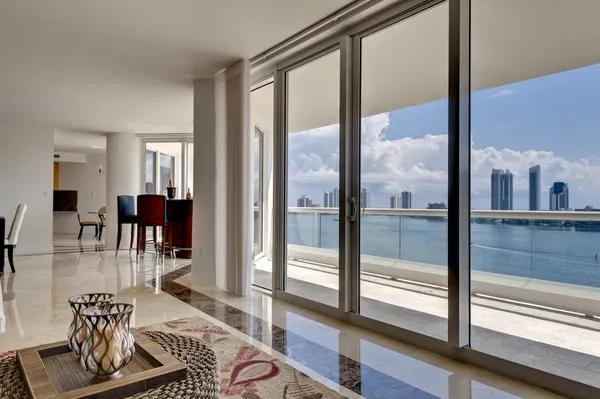
Apartment layouts play a crucial role in determining the comfort and overall quality of everyday living. The design and arrangement of spaces within an apartment can significantly influence how residents interact with their environment, impacting everything from daily routines to social interactions.
One of the primary ways apartment layouts affect comfort is through the optimization of space. A well-designed layout maximizes usable area, allowing for efficient movement and functionality within the home. For instance, open floor plans are increasingly popular because they create a sense of spaciousness by eliminating unnecessary walls that divide living areas. This openness not only enhances visual appeal but also facilitates easier communication and interaction among family members or roommates, fostering a find out more connected living experience.
Moreover, natural light plays a critical role in enhancing comfort levels within an apartment. Layouts that incorporate large windows or strategically placed openings allow for ample sunlight to enter the space, creating a bright and inviting atmosphere. Natural light has been shown to improve mood and productivity while reducing reliance on artificial lighting during daylight hours. Therefore, apartments designed with consideration for sun exposure tend to offer a more pleasant living environment.
The flow of movement within an apartment is another important factor influenced by its layout. An intuitive flow ensures that residents can navigate their home without feeling cramped or obstructed. Thoughtful placement of rooms such as bedrooms away from high-traffic areas like kitchens or living rooms helps maintain privacy and reduces noise disturbances, contributing to better rest and relaxation.
Storage solutions integrated into the layout can also greatly impact everyday living comfort. Apartments with ample built-in storage options help residents keep their belongings organized and clutter-free, which is essential for maintaining a serene environment. Efficient storage designs make it easier to access items when needed while keeping them out of sight when not in use.
Furthermore, flexible layouts that accommodate changing needs over time are particularly valuable in modern urban settings where adaptability is key due to varied lifestyles and circumstances. Such layouts might include multipurpose rooms that can serve as guest bedrooms or home offices depending on current requirements.
Lastly, proximity to amenities both inside the building (such as laundry facilities) and outside (like grocery stores) affects convenience—a significant aspect of comfortable daily life in an apartment setting.
In conclusion, thoughtful apartment layouts have profound implications for resident satisfaction by influencing factors such as space utilization, natural lighting exposure, movement flow efficiency along with providing adequate storage solutions—all contributing towards enhanced comfort levels making everyday life smoother thereby improving overall quality-of-life experiences within these compact dwellings amidst bustling cityscapes worldwide today!