

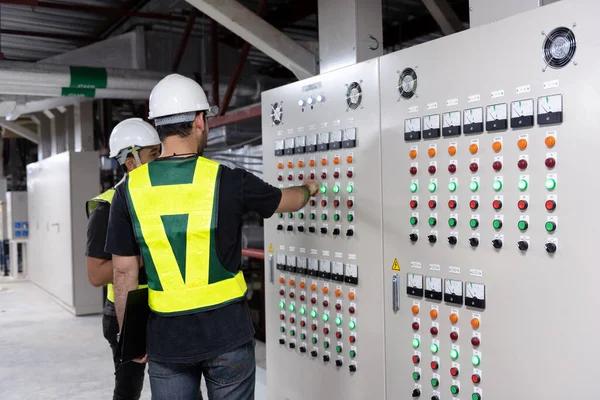
Heating and air solutions play a crucial role in maintaining comfort and efficiency in both residential and commercial environments. Proper climate control systems ensure that indoor spaces remain comfortable regardless of external weather conditions, contributing to improved productivity, health, and overall well-being. Selecting the right heating and air system requires understanding the specific needs of the property, including size, insulation quality, and usage patterns.
For residential settings, heating solutions often include furnaces, heat pumps, boilers, or electric heaters. Each option offers distinct advantages depending on factors such as fuel availability and energy efficiency requirements. Furnaces are common due to their ability to quickly warm up large spaces using natural gas or electricity. Heat pumps provide both heating and cooling by transferring heat between indoors and outdoors efficiently; they are especially effective in moderate climates where extreme temperatures are less frequent. Boilers use hot water to distribute warmth through radiators or underfloor systems, offering consistent heat with minimal noise.
Air conditioning is equally important for homes during warmer months. Central air conditioning systems circulate cooled air throughout the house via ductwork while split units offer localized cooling without extensive installation work. Modern HVAC technologies incorporate smart thermostats that allow homeowners to regulate temperature remotely or program schedules for optimal energy savings without sacrificing comfort.
Commercial properties often demand more robust heating and cooling solutions due to larger square footage and higher occupancy levels. Commercial HVAC systems must accommodate diverse operational hours while managing airflow effectively across multiple zones within a building. Variable refrigerant flow (VRF) systems have become popular choices because they adjust refrigerant volume based on demand in different areas simultaneously-improving energy efficiency significantly compared to traditional setups.
Regular maintenance is Essential Heating and Air equipment regardless of application type. Routine inspections help identify potential issues early before they escalate into costly repairs or system failures. Tasks like changing filters frequently improve indoor air quality by reducing dust accumulation inside ducts while ensuring smooth airflow throughout the space.
Energy efficiency remains a top priority when choosing new installations or upgrading existing units since it directly impacts utility costs over time as well as environmental footprint reduction efforts. Consulting with professional HVAC technicians can guide property owners toward tailored solutions that balance upfront investment with long-term savings benefits.
In summary, effective heating and air solutions involve selecting appropriate technology based on property specifications combined with diligent upkeep practices aimed at maximizing performance longevity while minimizing operational expenses across residential or commercial applications alike.