

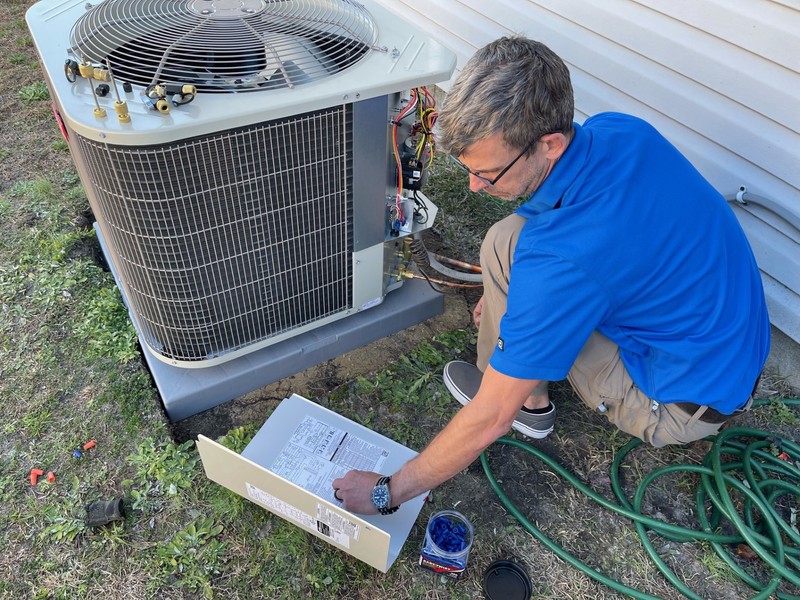
Installing an air conditioning system in a hot climate requires careful planning and consideration to ensure optimal performance, energy efficiency, and comfort. Experts emphasize the importance of selecting the right type and size of air conditioner based on the specific needs of your home or building. Oversized units may cycle on and off frequently, leading to increased wear and inefficient cooling, while undersized systems struggle to maintain desired temperatures during extreme heat. Accurate load calculations that take into account factors such as insulation quality, window orientation, ceiling height, and local climate conditions are essential for determining the appropriate capacity.
Proper installation is equally critical for maximizing efficiency. Positioning the outdoor unit in a shaded area can reduce its workload by preventing direct sunlight from heating it up excessively. Adequate clearance around both indoor and outdoor units ensures proper airflow necessary for effective heat exchange. Additionally, sealing ductwork tightly prevents cool air loss during distribution inside the building. Poorly sealed ducts can significantly reduce system efficiency by allowing conditioned air to escape before reaching living spaces.
Air Conditioning Installation
Experts also advise investing in high-efficiency models with advanced features such as variable-speed compressors or inverter technology. These systems adjust their output based on current cooling demand rather furnace repair near me than operating at full power continuously, which results in lower energy consumption and more consistent indoor temperatures. Selecting equipment with a high Seasonal Energy Efficiency Ratio (SEER) rating guarantees better performance over time while reducing electricity bills.
Regular maintenance plays an important role in sustaining air conditioning effectiveness in hot climates. Cleaning or replacing filters frequently helps maintain good airflow while preventing dust buildup that could damage internal components or degrade indoor air quality. Checking refrigerant levels regularly ensures there are no leaks that would impair cooling capacity or increase operational costs.
In addition to technical considerations, experts recommend exploring complementary methods to reduce overall cooling loads before installing a new system. Improving insulation standards within walls and roofs limits heat transfer from outside environments into interior spaces. Installing reflective window films or shades minimizes solar heat gain through glass surfaces without sacrificing natural light.
By following expert advice focused on correct sizing, professional installation practices, choosing efficient technology, maintaining equipment properly, and enhancing building envelope performance, homeowners can achieve reliable comfort even under intense heat conditions while keeping energy use manageable throughout summer months when cooling demands peak significantly across hot regions worldwide.
Gee Heating and Air
5340 McEver Rd Unit I-J, Flowery Branch, GA 30542
770-287-9110