

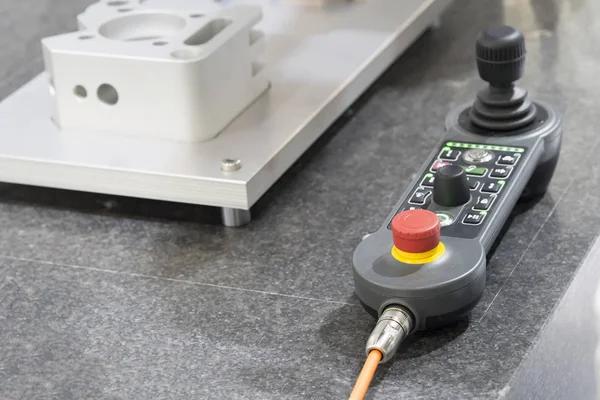
Accredited calibration services play a crucial role in maintaining accuracy and reliability across various industries. Calibration ensures that measuring instruments perform within specified limits, which is essential for quality control, safety, and compliance with regulations. Certain sectors depend heavily on these services due to the critical nature of their operations and the stringent standards they must meet.
The healthcare industry is one of the primary users of accredited calibration services. Medical devices such as blood pressure monitors, thermometers, imaging equipment, and laboratory analyzers require precise measurements to ensure patient safety and effective treatment outcomes. Inaccurate readings can lead to misdiagnosis or inappropriate therapies. Therefore, hospitals, clinics, and medical laboratories regularly calibrate their instruments through accredited providers to comply with regulatory requirements like those set by the FDA or ISO standards.
Manufacturing industries also rely extensively on calibrated equipment to maintain product quality and process efficiency. In sectors like automotive production, aerospace engineering, electronics manufacturing, and pharmaceuticals, precision measurement tools are indispensable for monitoring dimensions, weights, temperatures, pressures, and other variables during production processes. Any deviation from required specifications can result in defective products or operational failures. Accredited calibration helps manufacturers avoid costly recalls or downtime by ensuring that all measuring devices provide accurate find answers here data throughout their lifecycle.
The food processing industry depends on calibrated instruments to guarantee food safety and quality assurance. Temperature probes used in cooking or refrigeration units must be accurately calibrated to prevent contamination risks caused by improper storage conditions or undercooking. Similarly, weighing scales employed during packaging need regular verification to meet labeling laws regarding net weight declarations. Compliance with standards such as HACCP (Hazard Analysis Critical Control Point) often mandates routine calibration checks conducted by certified laboratories.
Energy generation and utilities represent another sector where accredited calibration is vital for operational integrity and environmental compliance. Power plants utilize numerous sensors monitoring pressure levels in boilers or gas flow rates within pipelines; inaccuracies could lead not only to inefficiencies but also dangerous incidents like explosions or leaks. Regulatory bodies enforce strict guidelines requiring frequent instrument validation through recognized accreditation schemes.
In scientific research institutions as well as educational facilities conducting experiments dependent on exact measurements benefit significantly from accredited calibration services because reliable data forms the foundation of credible results.
Overall, industries that prioritize safety protocols alongside rigorous quality control measures demonstrate a substantial reliance on accredited calibration services for maintaining operational excellence while adhering strictly to legal frameworks governing their fields of work.