

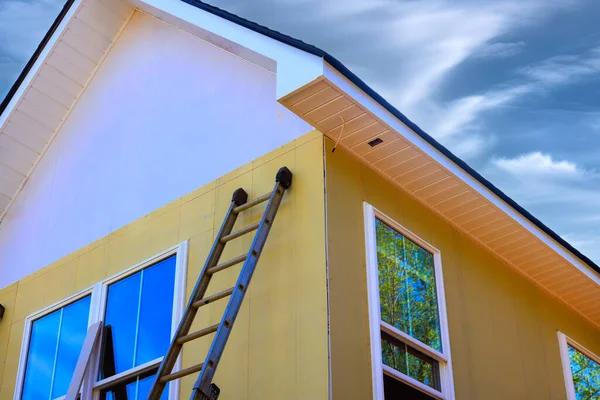
Smart scheduling is a crucial component in ensuring the success of any commercial painting project. It involves meticulous planning and coordination to optimize resources, minimize disruptions, and deliver high-quality results on time. Effective scheduling not only enhances productivity but also helps in managing costs and meeting client expectations.
The first step in smart scheduling is understanding the scope of the project. This includes assessing the size of the area to be painted, identifying specific requirements such as surface preparation or special finishes, and determining any logistical challenges that may arise. Clear communication with stakeholders during this phase ensures that all parties have a shared understanding of project goals and timelines.
Once explore the website scope is defined, it’s essential to develop a detailed timeline that outlines each phase of the project. This timeline should include key milestones such as preparation work, priming, painting, and final inspections. Allocating sufficient time for each task is critical; rushing through steps can compromise quality while overestimating can lead to unnecessary delays.
Resource allocation plays a significant role in smart scheduling. Ensuring that skilled laborers are available when needed prevents bottlenecks and keeps progress on track. Additionally, having access to necessary materials at appropriate times avoids interruptions due to supply shortages or delivery delays. Working closely with suppliers and maintaining open lines of communication can mitigate these risks.
Weather conditions are another factor that must be considered when planning outdoor projects or those involving large spaces with natural ventilation requirements. Monitoring forecasts allows for adjustments in schedules to accommodate unexpected changes without impacting overall timelines severely.
Technology offers valuable tools for enhancing scheduling efficiency in commercial painting projects. Project management software enables real-time tracking of progress against planned timelines while facilitating seamless collaboration among team members regardless of their physical location. Such platforms often come equipped with features like automated reminders about upcoming tasks which help maintain momentum throughout different stages.
Regular monitoring coupled with flexibility ensures adherence to schedules despite unforeseen circumstances like equipment malfunctions or sudden workforce unavailability due illness etc.