

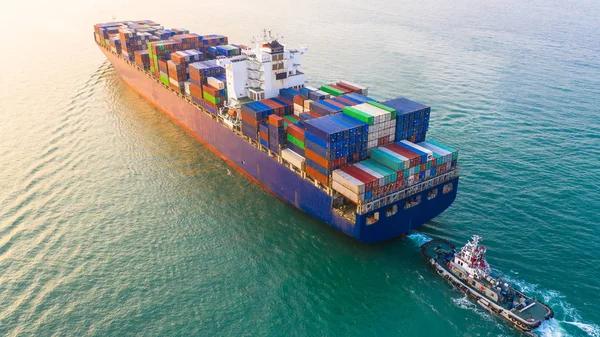
Freight forwarding to Canada is an essential component for businesses engaged in international trade, offering a streamlined approach to managing the transportation of goods across borders. Understanding the process and requirements involved can significantly improve efficiency and reduce costs. Freight forwarders act as intermediaries between exporters and various transportation services, ensuring that shipments reach their destination safely, on time, and in compliance with Canadian regulations. For businesses looking to expand or maintain operations involving Canada, partnering with a reliable freight forwarding company can simplify complex logistics challenges.
One of the primary considerations when shipping goods to Canada involves understanding customs clearance procedures. Canadian customs authorities require detailed documentation such as commercial invoices, bills of lading, certificates of origin, and any permits related to specific products. Properly preparing these documents helps avoid delays or penalties during import inspections. Additionally, freight forwarders assist by classifying goods according to the Harmonized System (HS) codes used internationally for tariff purposes. Accurate classification ensures correct duties are applied and prevents unexpected costs upon arrival.
Selecting the appropriate mode of transportation depends on factors like shipment size, urgency, budget constraints, and type of cargo. Common options include air freight for fast delivery needs or ocean freight for larger volumes at lower rates. Rail and road transport also play vital roles within Canada’s extensive network once goods have cleared customs at entry points such as Vancouver or Toronto ports. Freight forwarders coordinate these multimodal solutions efficiently by leveraging their relationships with carriers and knowledge of transit times.
Insurance coverage is another critical aspect that businesses must consider when shipping internationally to protect against loss or damage during transit. Forwarders typically offer insurance options tailored to different levels of risk exposure based on cargo value and handling conditions throughout the journey.
Compliance with Canadian import regulations extends beyond paperwork; it encompasses adherence to product standards set by agencies like Health Canada or the Canadian Food Inspection Agency depending on commodity types such as pharmaceuticals or food products respectively. Failure to meet these standards can result in rejected shipments or costly modifications after arrival.
Cost management remains a focus throughout this process since tariffs vary depending on trade agreements between countries involved in exporting activities-such as those under USMCA (United States-Mexico-freight forwarding to canada forwarders help navigate these complexities by advising clients about applicable taxes and potential exemptions available under specific circumstances.
In summary, effective freight forwarding services provide comprehensive support from shipment planning through final delivery within Canada’s borders while ensuring compliance with all legal requirements along the way. Businesses benefit from reduced administrative burdens while gaining access to expert guidance that optimizes supply chain performance in cross-border trade scenarios involving Canada’s dynamic market environment.