

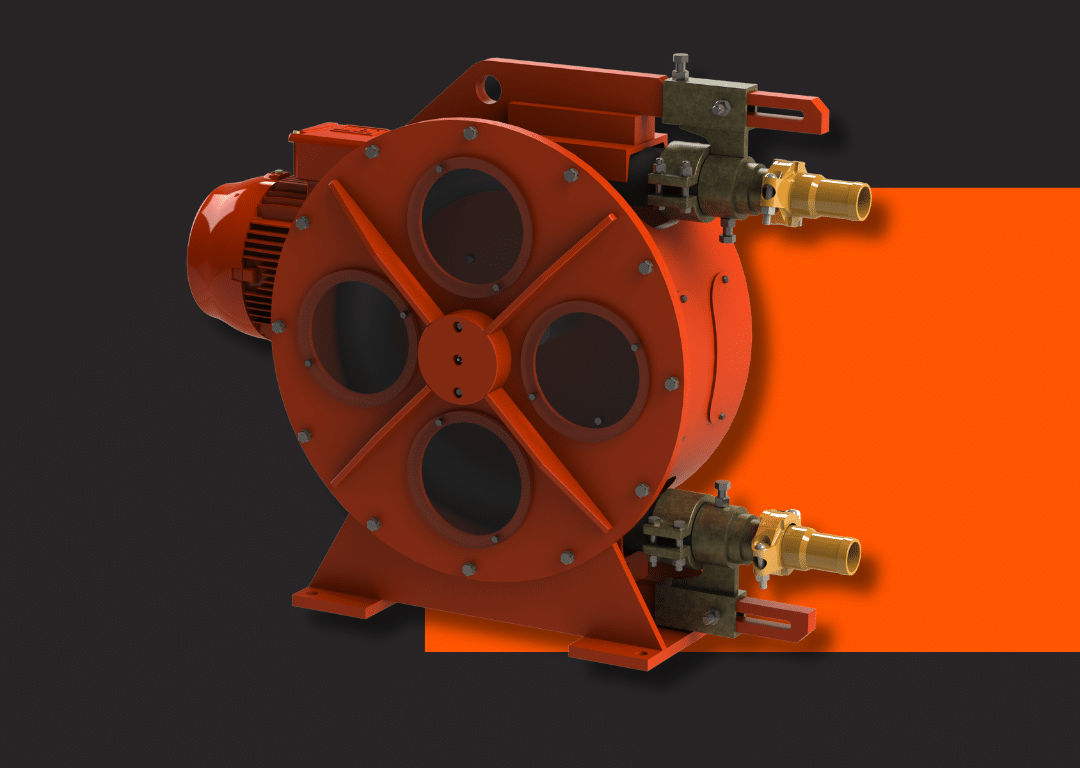
Diesel cement mixers play a crucial role in civil engineering projects, offering an efficient and reliable means of mixing concrete on-site. These machines are designed to blend cement, aggregates such as sand or gravel, and water to produce concrete with consistent quality. The use of diesel-powered mixers is particularly advantageous in remote or large-scale construction sites where access to electricity may be limited or unavailable.
One of the primary uses of diesel cement mixers in civil engineering is their ability to facilitate the preparation of fresh concrete at various locations within a project site. This mobility allows engineers and workers to deliver freshly mixed concrete directly where it is needed, minimizing delays and reducing the risk of premature setting during transportation. In infrastructure projects like roads, bridges, dams, and buildings, timely delivery and application of concrete are essential for maintaining structural integrity and adhering to project timelines.
Moreover, diesel cement mixers offer high power output compared to electric counterparts. This makes them suitable for handling larger batches of concrete mix efficiently without compromising performance. Their robust engines ensure continuous operation even under demanding conditions such as uneven terrain or extreme weather. Consequently, these mixers contribute significantly to improving productivity by enabling uninterrupted work grout slurry cycles.
In addition to their operational strengths, diesel cement mixers provide flexibility in terms of capacity options ranging from small portable units ideal for minor repairs or residential projects up to large industrial-grade models used in major civil works. This versatility allows contractors and engineers to select equipment tailored specifically for the scale and complexity of each project.
Another important aspect is cost-effectiveness. Although diesel fuel consumption adds operational expenses compared with electric alternatives when power supply exists on-site; however, the overall savings gained through enhanced efficiency often outweigh fuel costs-especially when factoring reduced labor time due to faster mixing processes.
Safety considerations also favor diesel mixers since they eliminate dependency on electrical connections that might pose hazards on wet construction sites or areas prone to electrical faults. Their rugged design typically incorporates safety features such as emergency shut-off switches which help prevent accidents during operation.
Furthermore, environmental concerns are being addressed increasingly by manufacturers who develop cleaner engine technologies meeting stringent emission standards while maintaining high performance levels.
In summary, diesel cement mixers remain indispensable tools in civil engineering projects by providing reliable onsite concrete mixing capabilities that enhance efficiency, flexibility, safety, and cost management across diverse construction environments. Their continued evolution ensures they will support future infrastructural developments effectively while adapting to emerging sustainability requirements.